Worldwide shipping from the Netherlands
Free shipping on orders over €125 *
Ordered before 11:00, shipped today
Ethical and fair crystals
Free shipping on orders over €125 *
Ordered before 11:00, shipped today
Ethical and fair crystals
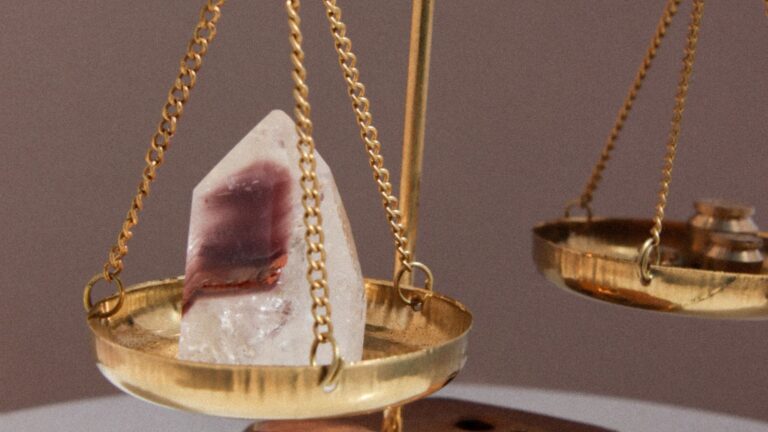
Cleansing and charging crystals is essential for releasing absorbed energy and allowing your stone to work at its best. But not every method works for every stone. Water is beneficial for some stones and disastrous for others. And salt? It can literally dissolve certain stones. Read on to discover what works and what doesn’t, so you know how to approach cleansing and charging your crystals in the best possible way.
Crystals are energetically sensitive. They absorb energy from their surroundings and emit their own unique vibration. A stone that is worn frequently or placed in a busy space slowly fills up. Cleansing allows it to release that energy and return to its pure state. Charging restores its own natural power.
Some stones are self-cleansing, but most need a little help. In nature, this happened automatically: rain washed the energy away, the earth absorbed what was no longer needed, and the sun and moon recharged the stone. Now that a stone is in your home, it needs you to do that for it.
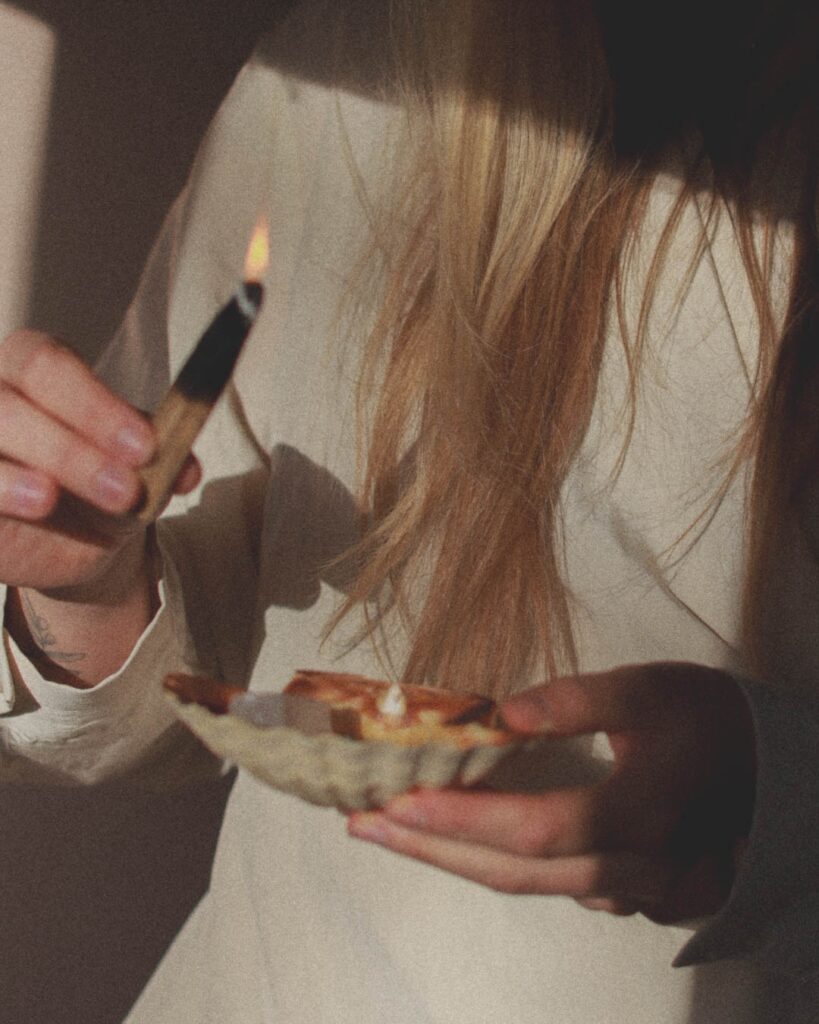
Smudging
Move your stone through the smoke of palo santo or herbs such as white sage. The smoke is purifying and effectively removes negative energy. This method is safe for almost all stones, including delicate varieties. Palo santo has a warm scent and is both cleansing and protective. Light a stick, let it burn for a moment, and move your stone gently through the smoke. White sage is more deeply purifying and thoroughly clears energy. Ideal if your stones have been used intensively or haven’t been cleansed in a while.
Discover our products for smudging here
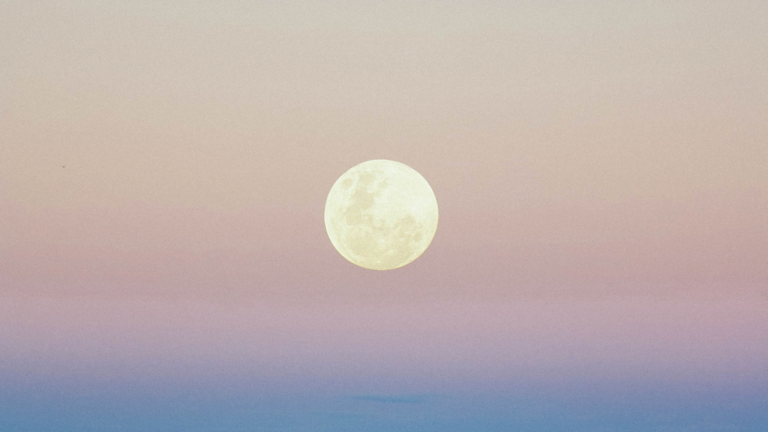
Moonlight
Place your stones outside or on a windowsill during the full moon in the evening and let them charge overnight. Moonlight both cleanses and charges simultaneously and is safe for almost all stones, including water-sensitive varieties.
Sunlight
A few hours in the morning sun charges stones quickly and powerfully. Note: amethyst, rose quartz, and fluorite can fade with too much exposure. Only use sunlight for stones you know can handle it.
Earth
Bury your stone in the ground for a day or night. The earth neutralises the energy and recharges it with grounding power, just as the earth originally did for your stone. Wrap your stone in a thin cloth to protect it from moisture and dirt.
Water
Hold your stone under cold running water for a few minutes and visualise the old energy washing away. Note: never place selenite, malachite, pyrite, calcite, labradorite, or celestite in water. A stone’s sensitivity is related to its hardness on the Mohs scale. The softer the stone, the more vulnerable it is to moisture and damage.
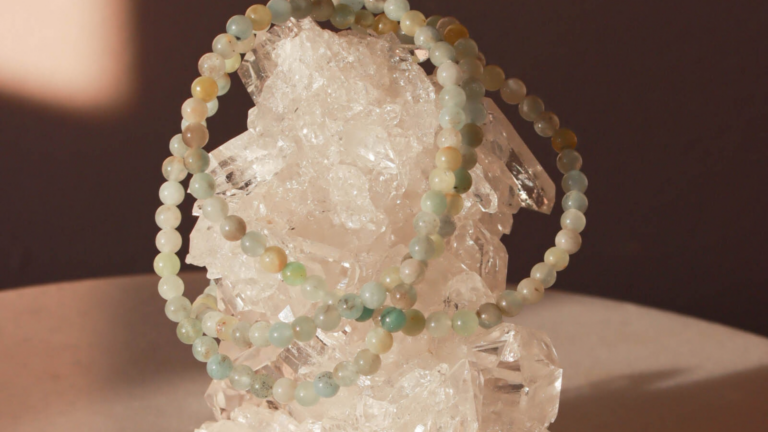
Cluster or selenite plate
Place your stones on an amethyst or quartz cluster or on a selenite plate. These crystals cleanse and charge other stones without any effort on your part. Ideal on an altar, for example. Perfect for passive, ongoing maintenance.
Salt
Dry sea salt has a powerfully cleansing effect. Use it with caution: salt is abrasive and damages soft or porous stones. Never place selenite, malachite, or labradorite directly in salt.
Type: Chalcedony (quartz) · Hardness: 6.5–7
Agate is sturdy, stable, and reliable. Cleansing with water is fine, it handles it well. For a more thorough cleanse, place it on a selenite plate overnight or smudge it with sage. It can also be charged in moonlight or briefly in the ground. A little morning sun is fine, but keep it short to prevent discolouration. Avoid leaving agate in salt for extended periods, as this can dull the surface of polished pieces.
Type: Quartz · Hardness: 7
Amethyst is one of the most beloved stones and also a sensitive one. Water is fine, but keep it brief. Smudging with palo santo or white sage is the gentlest option and works beautifully. Amethyst loves to charge in moonlight. One night during the full moon and it radiates fully again. Never place it in direct sunlight. It fades quickly and permanently loses its beautiful purple colour.
Type: Beryl · Hardness: 7.5–8
Aquamarine and water are friends. Fitting for a stone with the energy of the sea. Feel free to rinse it under running water or smudge it with palo santo smoke. It charges best in moonlight or near an open window with fresh air. Avoid prolonged direct sunlight, as the blue colour can slowly fade.
Type: Quartz · Hardness: 7
Clear quartz is self-cleansing and not at all fussy about additional cleansing. Both water and smudging are fine. It also amplifies the energy of nearby stones. It loves to charge in moonlight or a little morning sun. Avoid prolonged direct sunlight to prevent overheating.
Type: Chalcedony (quartz) · Hardness: 6.5–7
Like agate, flower agate is sturdy and water-resistant. Rinse it under running water or smudge it with palo santo for a gentle cleanse. It can be charged in moonlight or in the earth. A night buried in the ground gives it fresh, grounding energy. Avoid cleansing with salt, as this can dull the surface of polished pieces.
Type: Chalcedony (quartz) · Hardness: 6.5–7
Carnelian is a powerful, fiery stone that is sturdy enough for water. A quick rinse under the tap is sufficient. Smudging with sage also works well. You can charge carnelian in gentle morning sun, but not too often and no longer than 15 minutes. Moonlight works perfectly too. Avoid prolonged salt or direct sunlight, as carnelian can slowly change colour.
Type: Sulphate · Hardness: 3–3.5
Celestite is a delicate, soft stone. Smudging is the best choice here. It’s gentle, effective, and safe. It charges best in moonlight on a dry spot near a window. No water, no salt, and no direct sunlight. Celestite is fragile and always deserves a gentle approach.
Type: Quartz · Hardness: 7
Golden healer (or limonite quartz) is a powerfully healing stone with a high vibration. It can be cleansed with water or smudging. It is sturdy enough for most methods. It loves to charge in moonlight or on a clear quartz cluster, charging quickly and deeply. Avoid prolonged direct sunlight, as this can affect the golden-yellow colour within the stone.
Type: Quartz · Hardness: 7
Lemurian quartz is an energetically sensitive stone. In terms of hardness, water and smudging are both fine. The sensitivity of this stone lies in its energy. Handle it with care and intention. It loves to charge in full moonlight, preferably outdoors in the open air. Avoid prolonged sunlight (especially with red lemurian quartz) to prevent cloudiness.
Type: Quartz with limonite · Hardness: 7
Limonite quartz (or golden healer) combines the power of quartz with the earthy energy of limonite. Water is fine briefly, but avoid prolonged soaking: the limonite inclusions can discolour with intensive water contact. It loves to charge in the earth or in moonlight. Its earthy nature makes burying in the ground a particularly effective method. Avoid prolonged salt water and salt.
Type: Feldspar · Hardness: 6–6.5
Moonstone and the moon are inseparable. Water is fine briefly, but the very best cleansing and charging is a night in full moonlight: this is where this stone truly comes alive. No salt and no prolonged sunlight. Moonstone is a softer, more sensitive stone and always deserves a gentle approach.
Type: Chalcedony (quartz) · Hardness: 6.5–7
Moss agate has a strong connection to nature and the earth. Water is fine, and burying in the earth is a particularly fitting cleansing method for this stone. It loves to charge outdoors, in the earth, under moonlight, or in the morning sun. Avoid leaving it in salt for extended periods, as this is unnecessary and not recommended for polished pieces.
Type: Quartz · Hardness: 7
Pink pineapple quartz is a rare and energetically refined quartz. Water is fine briefly, and smudging works beautifully, it is even the gentlest option. It loves to charge in soft moonlight. Handle it with care and intention. Avoid direct sunlight, as the pink hue can fade with prolonged exposure.
Type: Iron sulphide · Hardness: 6–6.5
Pyrite looks like gold but is more sensitive than it appears. Smudging is the best method here. It’s quick, effective, and safe for your stone. Pyrite loves to charge in sunlight or on a clear quartz cluster; its sunny energy is a perfect match for the sun. Avoid water and salt, because both damage the surface and can permanently harm the metallic lustre.
Type: Quartz · Hardness: 7
Rose amethyst is a gentle and sensitive stone. Water is fine briefly, but smudging with palo santo is the safest and most suitable method. Rose amethyst loves to charge in moonlight above all else. One night during the full moon and it radiates fully again. Never place it in direct sunlight; rose amethyst fades quickly and this is irreversible.
Type: Quartz with lithium inclusions · Hardness: 7
Rose lithium quartz is a calm and soothing stone with a subtle energy. Brief water cleansing is fine, and smudging works well too. It can be charged in moonlight or on a selenite plate. Avoid prolonged direct sunlight to protect the pink hue.
Type: Quartz · Hardness: 7
Rose quartz is the stone of love and deserves a gentle touch. Water is fine briefly, and smudging works beautifully. It loves to charge in full moonlight. The soft energy of this stone and the moonlight are a natural match. Do not place it in direct sunlight, as rose quartz fades fairly quickly with prolonged exposure and loses its warm pink colour.
Type: Quartz · Hardness: 7
Smoky quartz is a sturdy stone that is not particularly fussy. It can be cleansed with water, smudging, and moonlight. It charges well outdoors in the earth or under moonlight. Its earthy energy is a perfect match for a night under the open sky. Avoid prolonged direct sunlight, as especially the darker varieties can slowly fade with intensive UV exposure.
Type: Gypsum · Hardness: 2
Selenite is remarkable: it is self-cleansing and also cleanses other stones. But it is also one of the most fragile. Water literally dissolves selenite. Even humid air can cause damage. It barely needs charging, but if you wish to do so, place it in moonlight in a dry spot. Avoid water, salt, and humid environments. Take care with drops and knocks, as its porosity means it damages easily.
Type: Mineral group · Hardness: 3.5–5.5
Zeolite is a porous and soft stone that absorbs a great deal of energy. Smudging is the best and safest cleansing method. It charges best in moonlight or on a clear quartz cluster. Avoid water, salt, direct sunlight, and sharp objects. Take care with drops and knocks. Zeolite is a fragile stone that always deserves careful handling.
Om de beste ervaring te bieden, gebruiken we technologieën zoals cookies om apparaatinformatie op te slaan en/of te raadplegen. Door in te stemmen met deze technologieën kunnen we gegevens verwerken zoals surfgedrag of unieke ID's op deze site. Geen toestemming geven of toestemming intrekken kan een negatief effect hebben op bepaalde functies en mogelijkheden.